
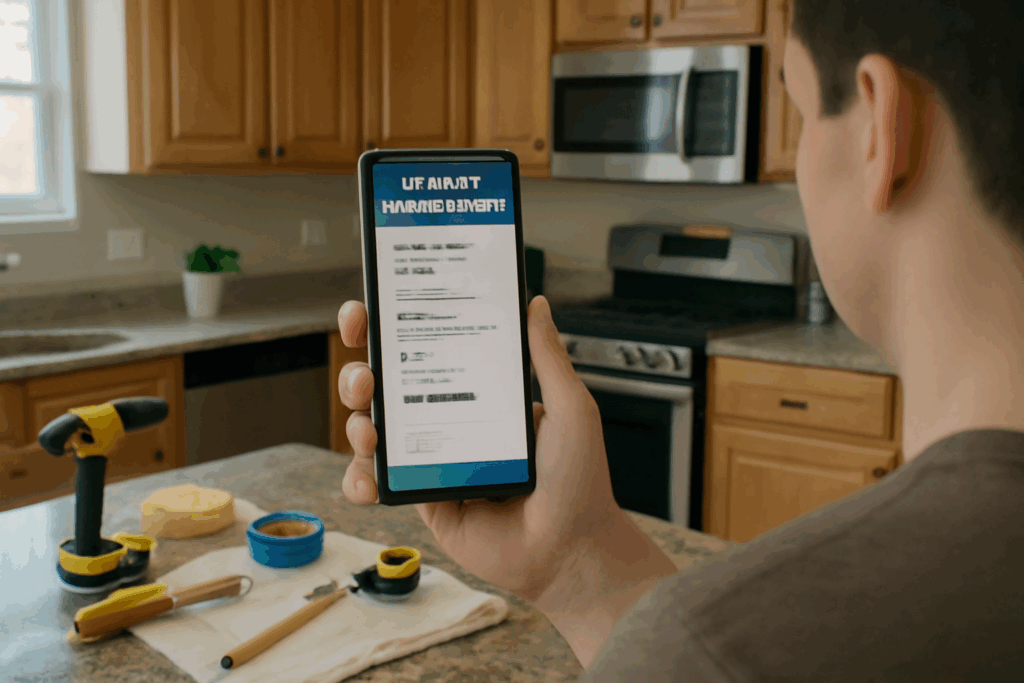
When it comes to tackling DIY projects, one of the biggest challenges is staying organized and efficient. Whether you’re remodeling a room, fixing a leaky faucet, or building custom furniture, having a well-structured plan is essential for staying on track. A key part of that plan is creating a smart shopping list for DIY projects.
A smart shopping list isn’t just about jotting down a few items you think you need; it’s about being intentional, minimizing unnecessary trips to the hardware store, and ensuring you have everything you need to get the job done right the first time. Let’s dive into how to create a smart shopping list and how it can benefit your next DIY adventure.
Why You Need a Smart Shopping List
It’s easy to get overwhelmed when shopping for DIY projects. The excitement of starting something new can sometimes lead to forgetting tools, materials, or even the simplest things that can delay your project. Here’s why you need a smart shopping list:
- Prevent Overbuying: A detailed list will keep you from purchasing more than you actually need, which means less waste and more money in your pocket.
- Save Time: No more last-minute trips to the hardware store because you forgot something. A smart list helps you plan out your shopping, so you’re prepared to grab everything in one go.
- Stay Organized: With a comprehensive list, you can organize materials by category, ensuring you stay on top of your project and don’t overlook anything crucial.
How to Create a Smart Shopping List
Creating a smart shopping list involves more than just writing down “nails” or “paint”. Here’s how to ensure your list is truly smart:
1. Plan Your Project Thoroughly First
Before even thinking about shopping, ensure you have a clear plan for your DIY project. Whether you’re tackling a kitchen remodel, installing a new light fixture, or building a shed, detailed planning is critical.
- Design your project: Sketch out the project or make a list of all the tasks you need to complete. Knowing exactly what you’re working on will make creating your shopping list easier and more precise.
- Assess the tools and materials required: Once you know what you need, determine the tools and materials you must have. For example, if you’re installing a backsplash, you’ll need specific adhesive, grout, and tiles.
2. Categorize Your List
To keep everything organized, break down your list into categories. This will make it easier to find everything once you’re in the store or browsing online. Some categories might include:
- Tools: Hammers, drills, screwdrivers, tape measure, etc.
- Materials: Paint, screws, nails, wood, etc.
- Safety Gear: Gloves, goggles, masks, etc.
- Miscellaneous: Items like extension cords, batteries, or adhesives.
3. Take Advantage of Technology
A smart shopping list for DIY projects can be more than just paper and pen. Apps and digital tools can help you create and manage your list more efficiently.
- Shopping apps: Use apps like ChilllDIY to keep track of your list on your phone. This apps allow you to set reminders, categorize items, and sync your list across multiple devices.
- Home improvement store apps: Many hardware stores, like Home Depot and Lowe’s, have apps that allow you to shop and track your list. Some even have features where you can check stock availability and shop for materials directly. With digital apps, you can quickly update your list if you remember something on the go and check it off as you purchase the items.
4. Include Quantities and Sizes
One of the most useful things about a smart shopping list is including quantities and sizes for each item. For example:
- “Wooden planks (2x4x8 ft) – 10”
- “Nails (3-inch) – 2 boxes”
- “Paint (white) – 1 gallon”
This level of detail ensures that you’re getting the right amount of materials and that you’re not left scrambling for more mid-project.
5. Include a Budget
Smart shoppers know that budgeting is key to staying on track. Include an estimated cost for each item on your list, whether you’re getting the prices online or through research. This helps you stay within budget and prioritize which items are the most important.
6. Track Progress and Adjust as Needed
Don’t forget to update your shopping list as you go along. Maybe you’ll find you don’t need as much of a certain material, or perhaps you’ll discover that a tool you had on your list is no longer required. Regularly reviewing and adjusting your list ensures that it stays accurate.
Benefits of Using a Smart Shopping List
Having a smart shopping list not only helps you stay organized, but it also brings other great benefits, including:
- Budget Management: A smart list helps you stick to your budget by keeping track of prices and quantities.
- Fewer Mistakes: By planning ahead, you’re more likely to purchase the right tools and materials, preventing mistakes that might derail your project.
- Less Stress: Knowing that you’re fully prepared for your DIY project can relieve a lot of stress, making the entire process more enjoyable.
Conclusion
A smart shopping list for DIY projects is an essential tool for any DIYer looking to save time, stay organized, and make the most of their budget. By planning ahead, categorizing your list, and utilizing digital tools, you’ll be well on your way to completing your next project with confidence and ease.
So, the next time you plan a DIY project, take a few extra minutes to create a smart shopping list. Your future self will thank you when you’re able to get everything you need in one trip, and the project runs smoothly from start to finish!